Staircase Carpentry — Repairs
A Graceful Fix for a Tired, Squeaking Staircase
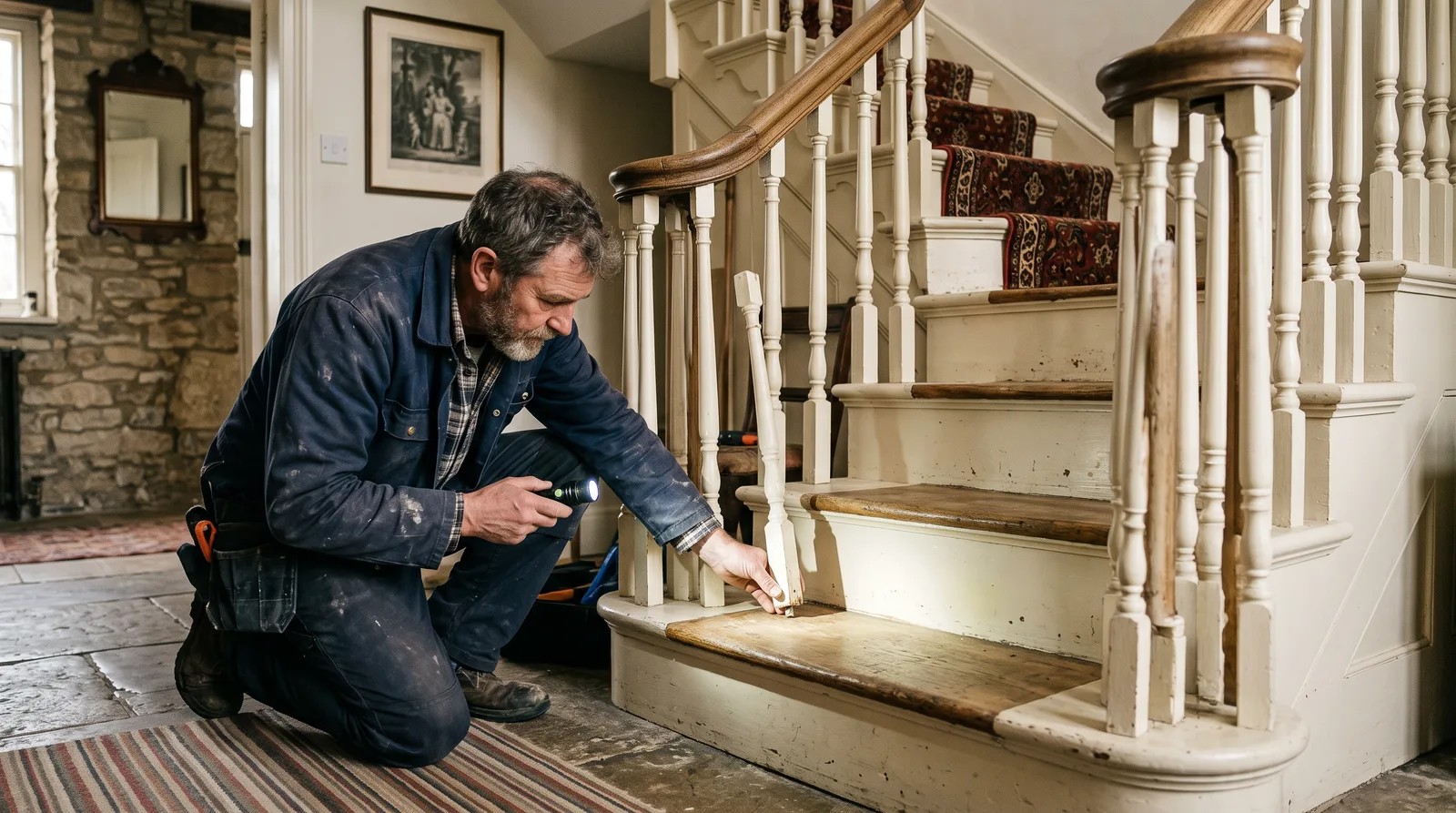
One loose spindle, one complaining tread — the kind of small, precise repair that restores a staircase to being solid, silent, and simply pleasant to use again.
Local to Berkshire
Experienced Carpenters
32 years in the trade
Fully Insured
High-Quality Finish
The Brief
A Small Fault, Properly Diagnosed
This is the kind of staircase repair project we take on regularly across Berkshire: a handsome old staircase, otherwise entirely sound, undone by one small and persistent fault — a tread that announces every late-night trip to the kitchen, and a spindle with just enough play in it to catch the eye. Nothing dramatic. Just quietly irritating, and entirely fixable.
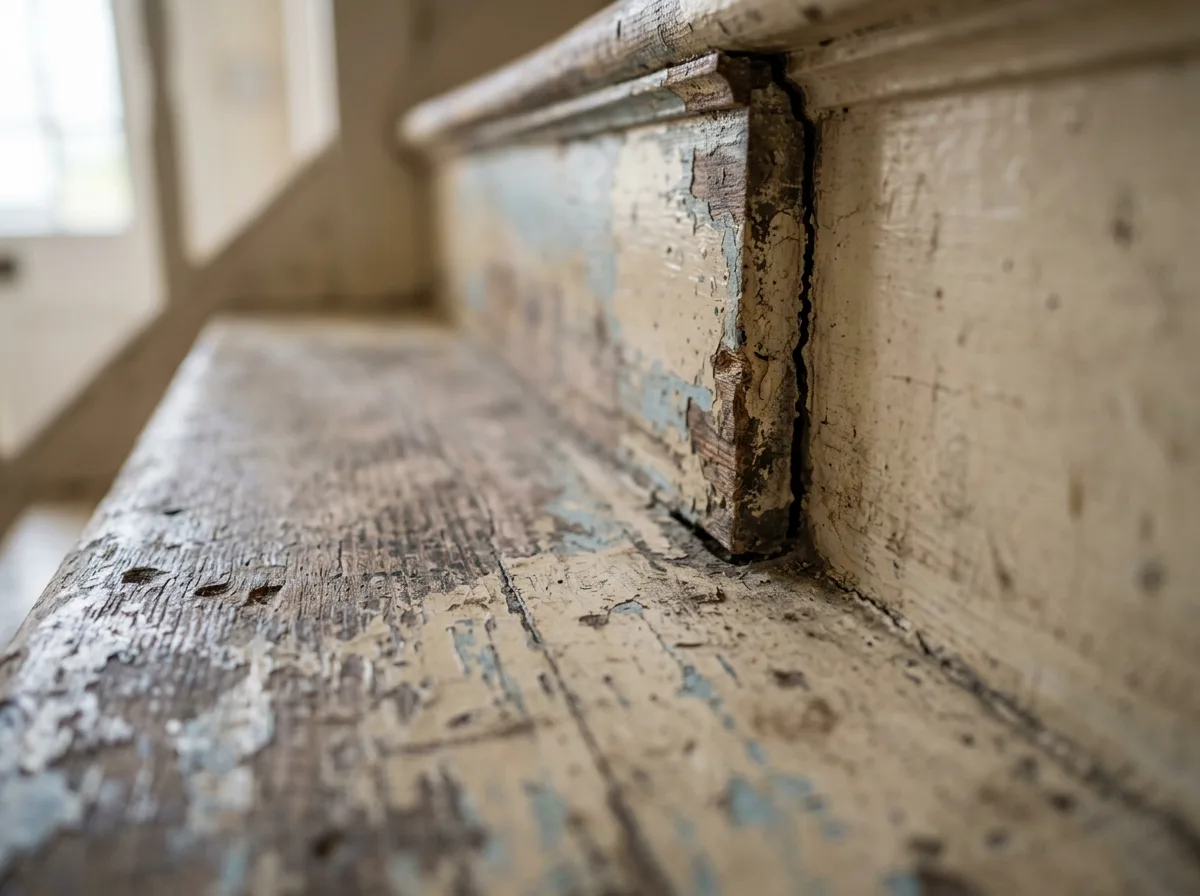
The elegant part of this kind of work is rarely visible once it is done — that is rather the point. A squeak is almost always a joint that has dried out and started to move against itself, so the real craft is in finding the exact source from underneath the stairs, rather than guessing from above and gluing the wrong thing.
This page illustrates the type and standard of staircase repair work we carry out — not a specific named address or client. Every project is scoped and quoted individually after a free site visit.
The Process
From First Squeak to Silent Tread
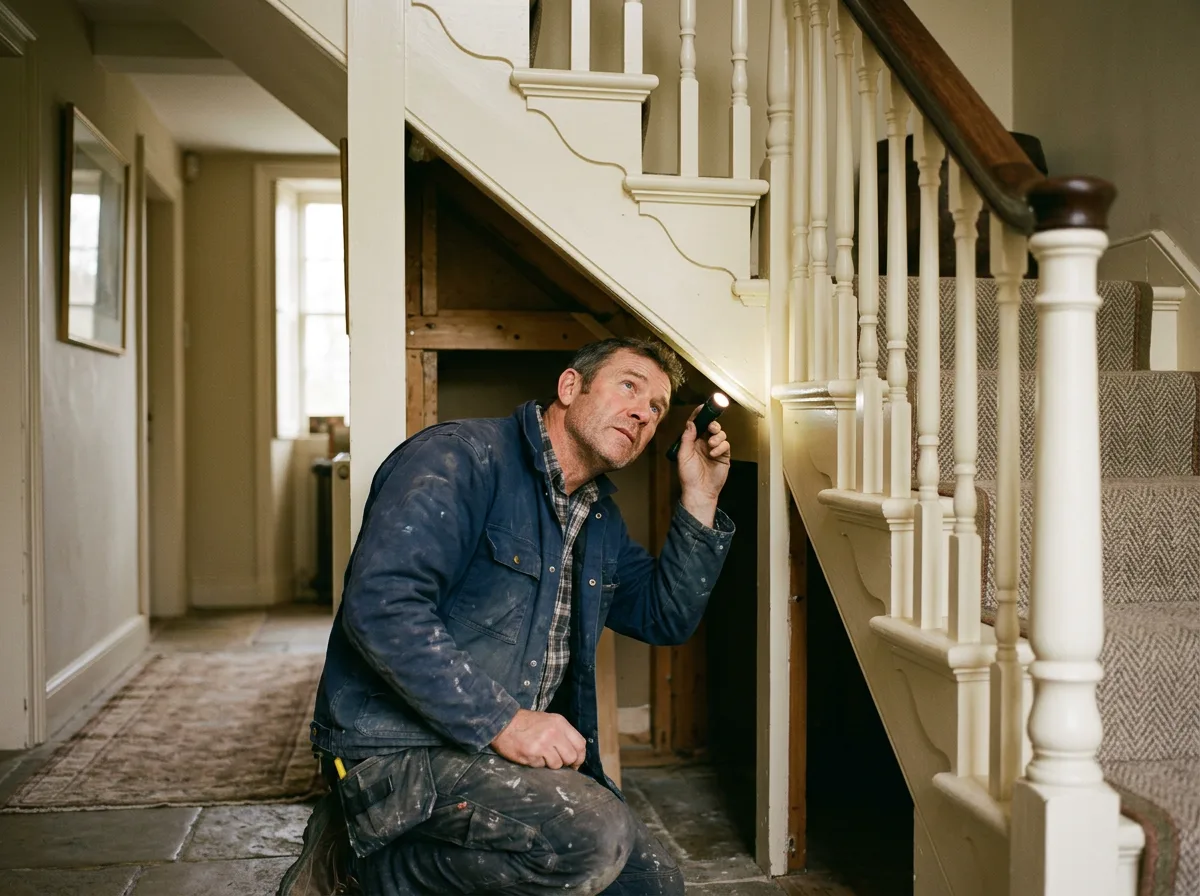
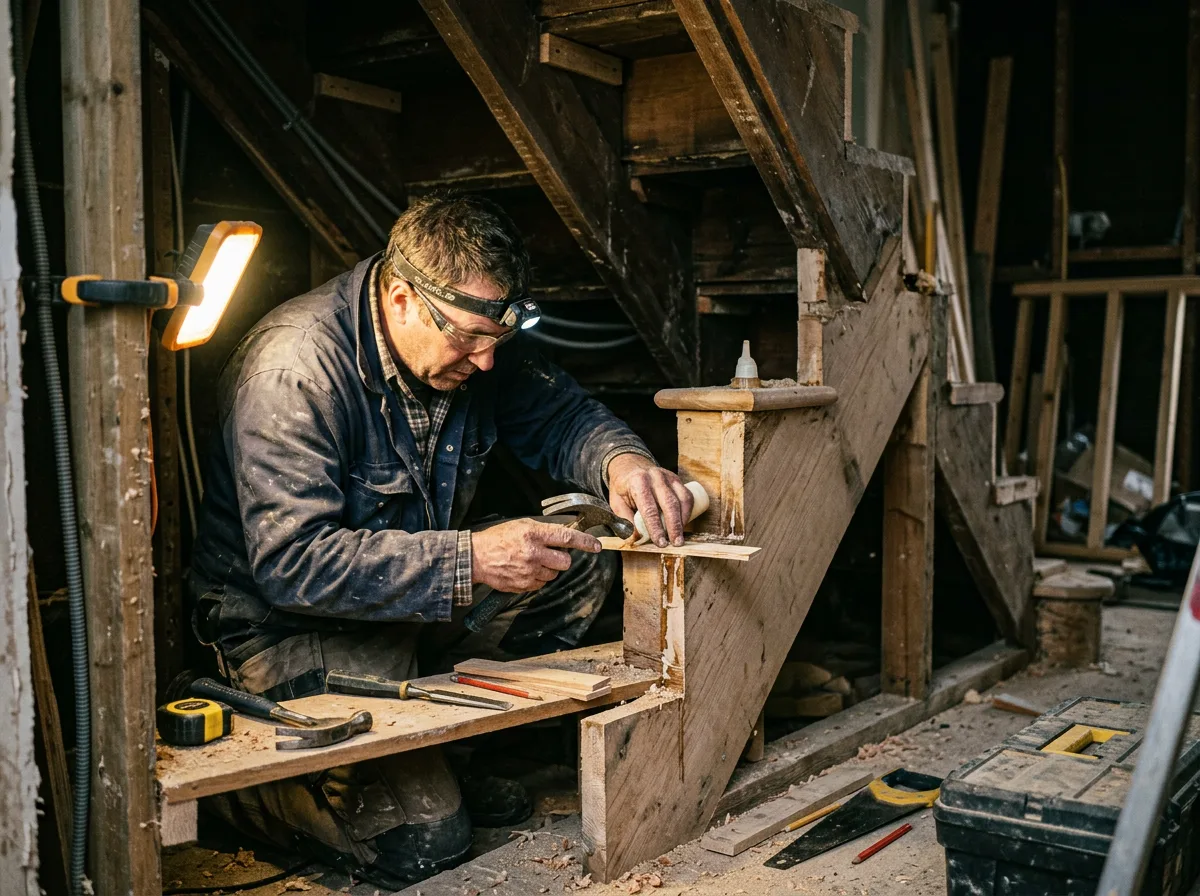
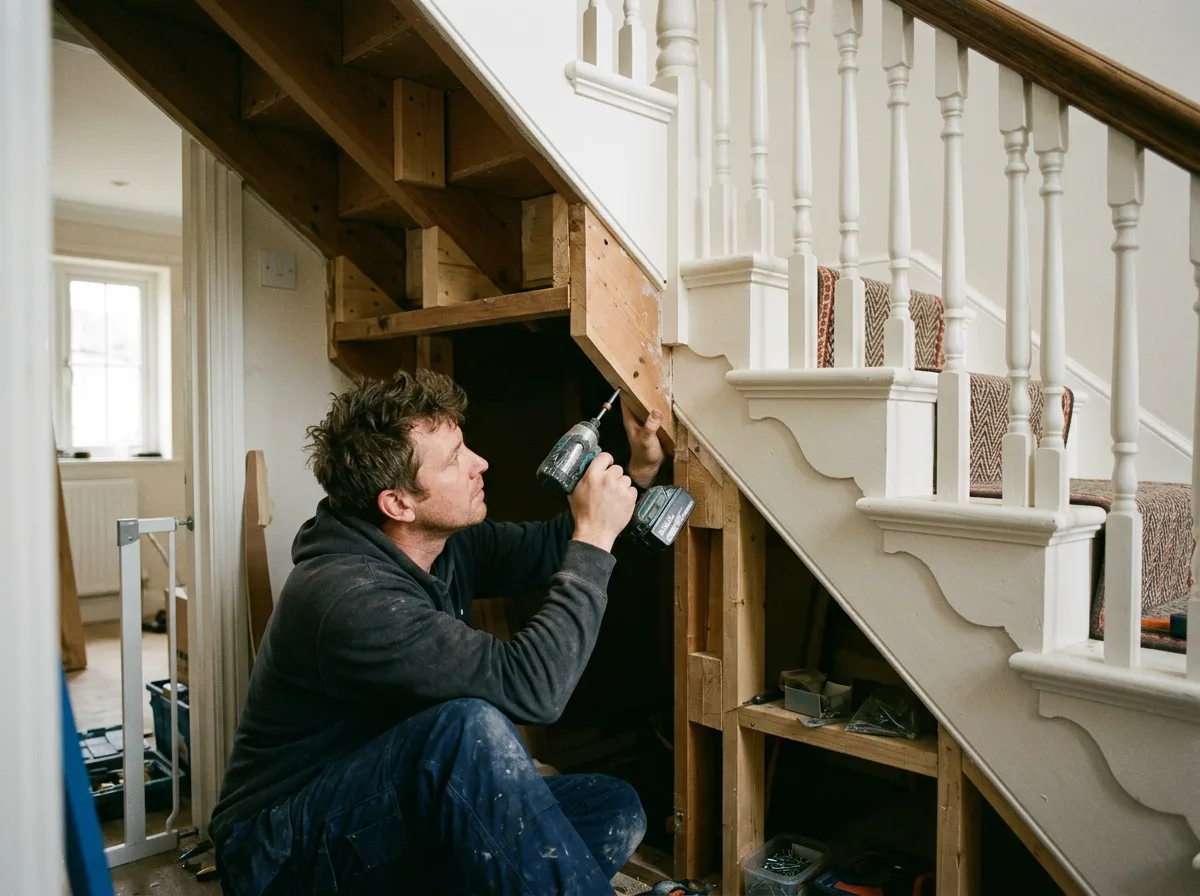
Diagnosis comes first, always from underneath the stairs where the construction allows access. A torch and a bit of gentle weight-testing on each tread, working methodically from top to bottom, finds the exact joint that has opened up rather than leaving us guessing from the top side and gluing the wrong spot. Spindles get the same treatment — a firm hand-test at the top and bottom of each one reveals which, if any, have come loose at the handrail or the tread.
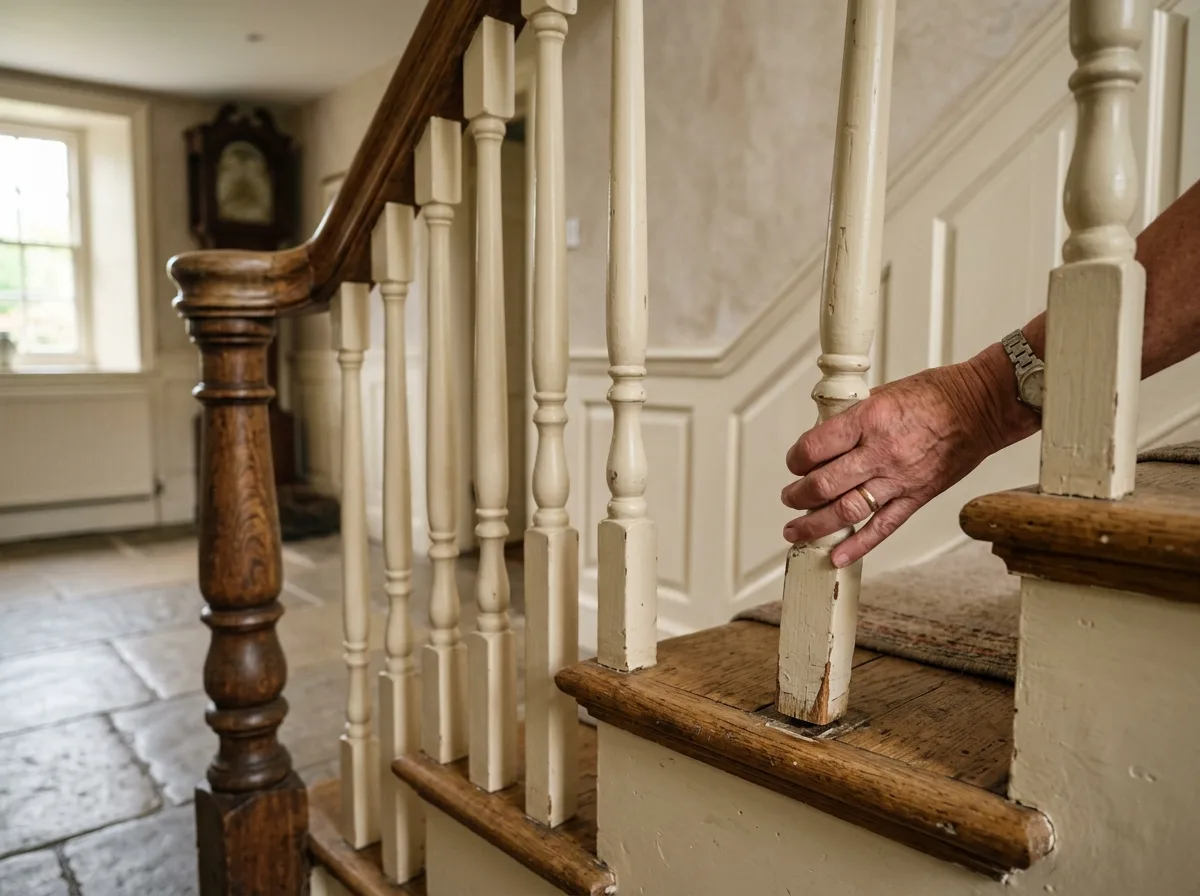
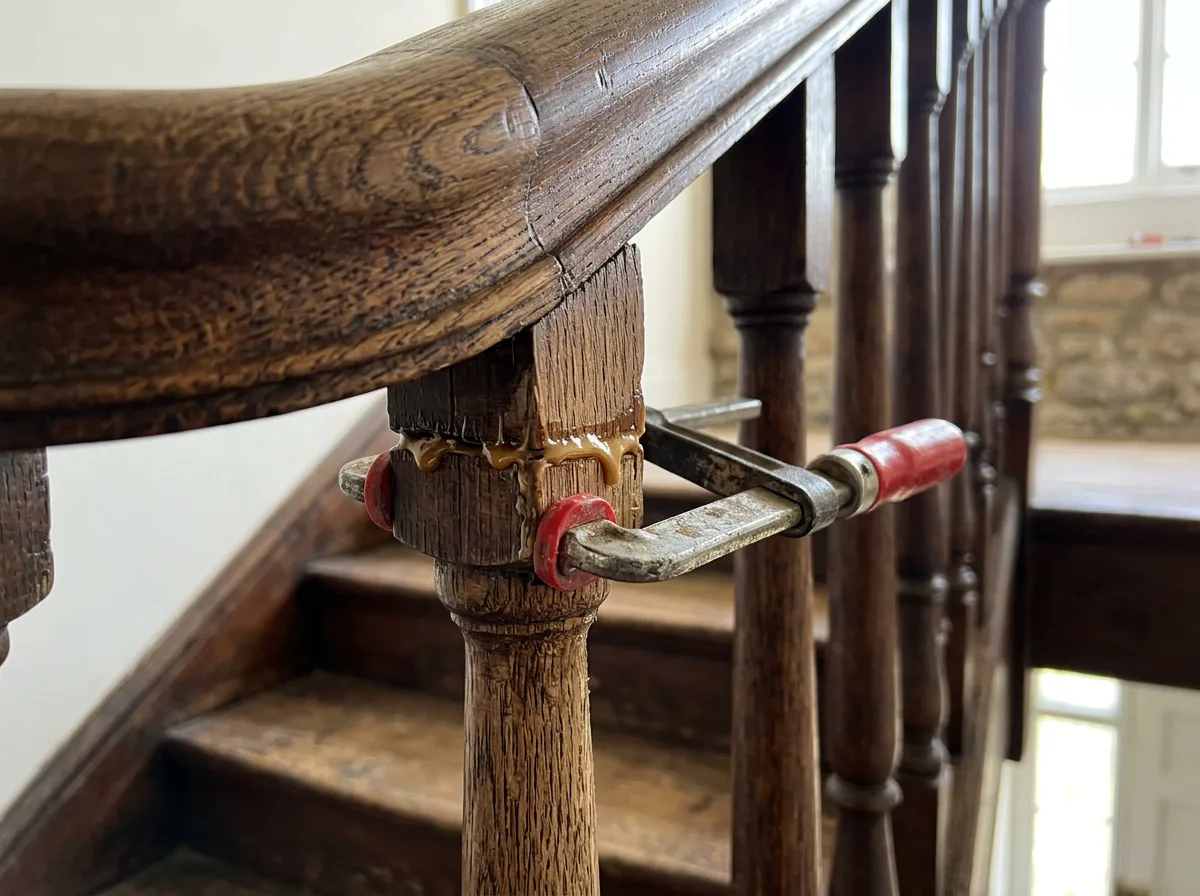
Once the source is confirmed, the repair itself is unhurried and precise: a quality wood glue worked into the joint, a timber shim cut and fitted where the gap calls for one, and a screw driven at the correct angle to pull everything back together permanently rather than just papering over the movement. A loose spindle is eased free, cleaned of old glue, re-glued, re-seated, and clamped while it cures, with the handrail re-tensioned to match.
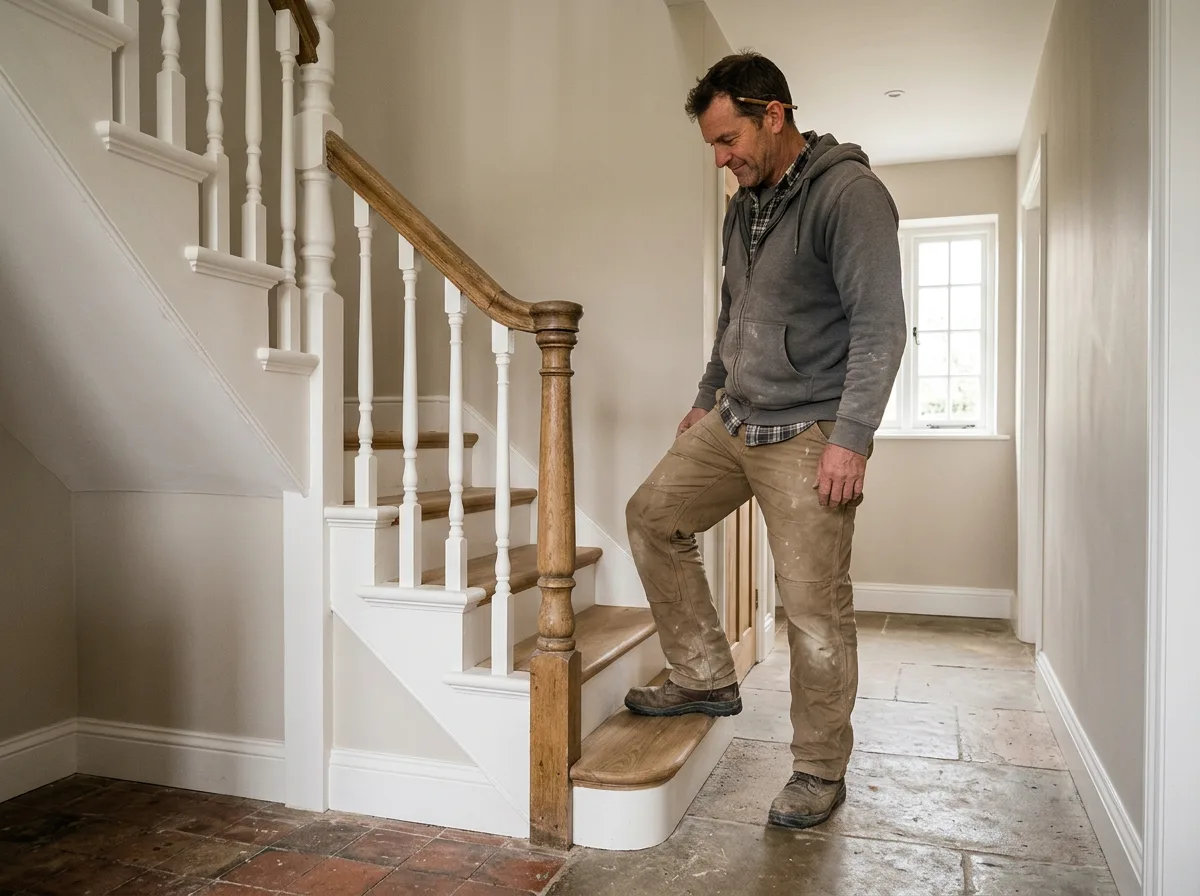
The finished repair is tested properly — full body weight on every tread that was touched, a firm push and pull on every spindle that was re-fixed — before we call the job complete. The result is a staircase that feels, underfoot, exactly as beautiful and solid as it looks: silent, settled, and ready for another few decades of daily use.
The Work, Step By Step
A Closer Look
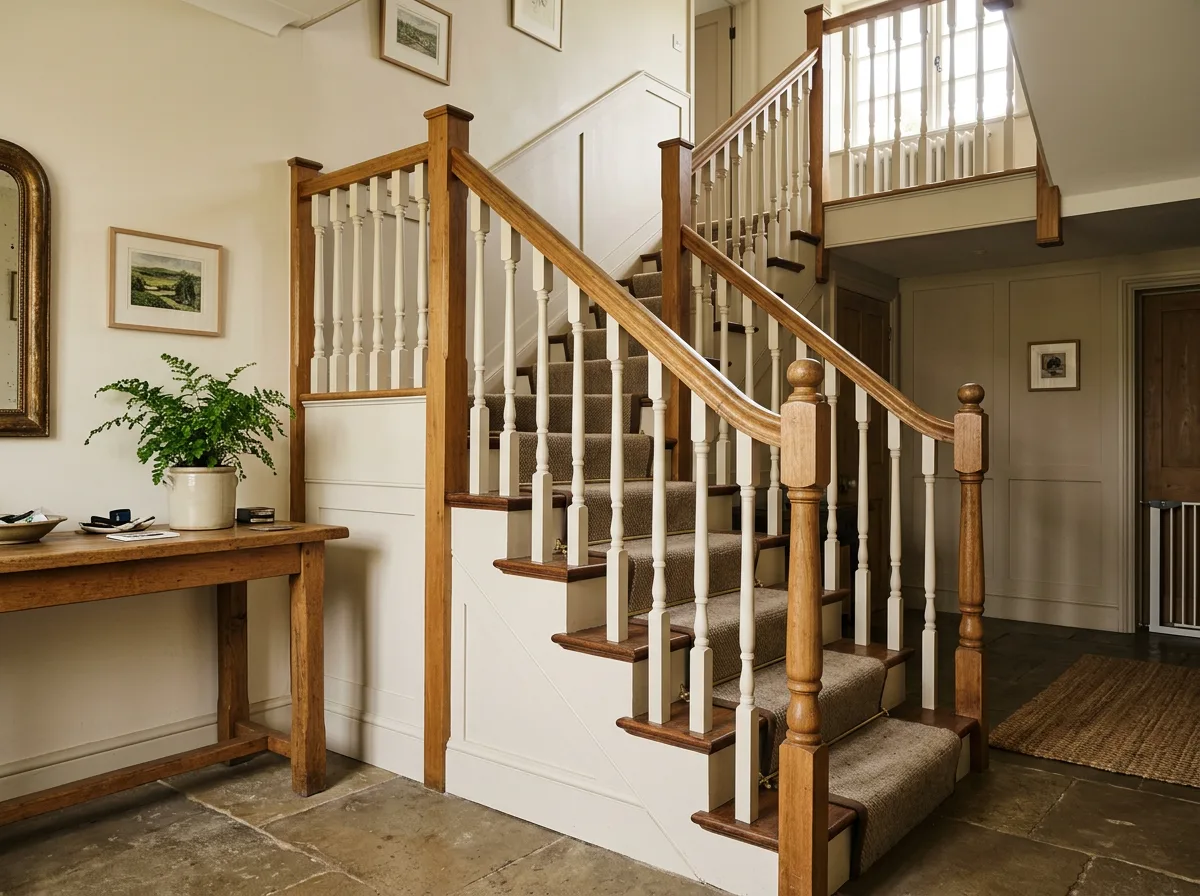
A closer look at the kind of diagnosis and repair involved in putting a tired staircase right.
Specification
Materials & Approach
- PVA or polyurethane wood glue, selected for the specific joint and timber condition
- Timber shims cut to match the existing tread and riser timber species where visible
- Brass or zinc-plated screws, sized and angled to the joint rather than a one-size-fits-all fixing
- Finish matched to the existing paint, stain, or bare-timber treatment on the staircase
- No adhesive or filler used as a substitute for a proper mechanical fix — cosmetic patching alone is not how we approach a repair
Common Questions
Staircase Repair — Frequently Asked Questions
How do I know if my staircase needs a repair rather than a full replacement?
Most squeaks, loose spindles, and rocking newel posts are joint problems, not structural failures — the timber itself is usually still sound. A full staircase is rarely needed unless there is rot, significant structural movement, or the staircase is simply dated and a transformation is wanted for its own sake. A free site visit tells you which category you are in before any money is spent.
What actually causes a staircase to start squeaking?
Nearly always a joint that has dried out and begun to move against itself — most commonly where a tread meets a riser or string. Timber shrinks slightly over the years, screws and old cut nails loosen, and the resulting small movement under weight is what you hear as a squeak. It is a wear issue, not usually a sign of anything more serious.
How long does a typical staircase repair take?
A single squeaking tread or loose spindle is often a half-day job. A staircase with several affected joints, or a newel post that needs re-fixing as well, typically takes a full day. We give you a time estimate as part of the written quote, not an open-ended guess.
Will the repair be visible once it is finished?
The aim is always no. Tread and riser repairs are carried out from underneath wherever the staircase construction allows, so the finished face is untouched. Where a repair has to be made from above — a split tread edge, for example — we match timber, stain and finish as closely as possible before it goes back into use.
Can a loose spindle actually be fixed, or does it need replacing?
In the large majority of cases, a loose spindle just needs to be eased out, cleaned of old glue, and re-glued and re-seated properly — it is almost always a joint problem rather than a broken spindle. Replacement is only needed where the spindle itself is cracked, rotten, or has been damaged.
Is a squeaking stair actually dangerous, or just annoying?
On its own, a squeak is a noise, not a safety issue. But a loose spindle, a rocking newel post, or a tread with real movement in it is worth having looked at properly — what starts as cosmetic wear can occasionally be a sign a joint has opened up further than it should. If anything feels like it moves under load rather than just making a sound, get it checked.
Do you match the existing paint or stain finish on the staircase?
Yes — wherever a repair involves new or replacement timber, we match the existing finish as closely as the original specification allows, whether that is a painted stringer, a stained handrail, or a bare oak tread. We would rather spend the extra few minutes matching it properly than leave an obvious patch.
Do you offer any guarantee on staircase repair work?
All our repair work is covered by our standard workmanship guarantee, details of which are confirmed in writing with your quote. If a repaired joint were ever to come loose again under normal use, we would come back and put it right.
Related Projects
More Staircase Carpentry
A Beautiful Oak Staircase, Reborn with Turned Spindles and a Carved Newel Post
A complete oak transformation — turned spindles, a carved newel post, and a handrail that feels as good as it looks.
An Elegant Oak Overlay for Tired, Dated Staircase Treads
Worn, dated treads cloaked in solid oak cladding, without the cost or mess of a full staircase rebuild.
A Spectacular Turned Balustrade Restoration
A tired balustrade, stripped back and reborn with hand-turned oak spindles and a glowing handrail.
Get Started
Request a Free Quote for Your Staircase
Got a Staircase That Needs the Same Treatment?
Squeaking treads, loose spindles and rocking newel posts are usually a quick, tidy fix. Get a free quote or arrange a site visit.