Serving Reading
Bespoke Carpenter in Reading
Fitted wardrobes, media walls, alcove units, and finish joinery for homes across Reading, Caversham, Earley, and the surrounding area. Free measuring visits and fixed-price quotes.
Local to Berkshire
Experienced Carpenters
Fully Insured
High-Quality Finish
Bespoke Carpentry in Reading
Fitted Furniture for Reading and Caversham Homes
Reading is the largest town in Berkshire, and its housing stock reflects that scale — everything from compact Victorian terraces in Caversham and the streets off the Oxford Road, to large Edwardian semis in Tilehurst and Earley, to executive detached houses on the roads north of the river, to newer apartments and family homes in Woodley and Lower Earley. Across all of these, the case for bespoke joinery over off-the-shelf furniture is the same: furniture made for the room looks right in a way that furniture adapted to the room does not.
We cover Reading and the surrounding postcodes as part of our regular working area. Fitted wardrobes are our most common brief here — built floor to ceiling and wall to wall, with internal layouts configured around how the space is actually used. In the Caversham Victorian terraces, where rooms are narrow, ceilings are high, and walls are far from square, the difference between a bespoke fitted wardrobe and a flatpack alternative is obvious from the moment you walk in.
Alcove units are also particularly well-suited to Reading's period housing stock. The chimney breasts in Victorian living rooms create two natural recesses either side — ideal for fitted shelving and cupboard combinations that give a room order and purpose without eating into usable floor space. We design these around the room's proportions and the existing joinery so they feel like they belong.
Media walls are increasingly requested across the newer Reading developments, where open-plan ground floors benefit from a dedicated focal wall that manages cables, creates storage, and frames the television properly. We design these carefully — the proportion of the recess, the height of the surround, and the balance between open shelving and closed cupboards all make a significant difference to how the finished room feels.
What We Do
Services Available in Reading
We offer the full range of bespoke carpentry and joinery services to Reading clients.
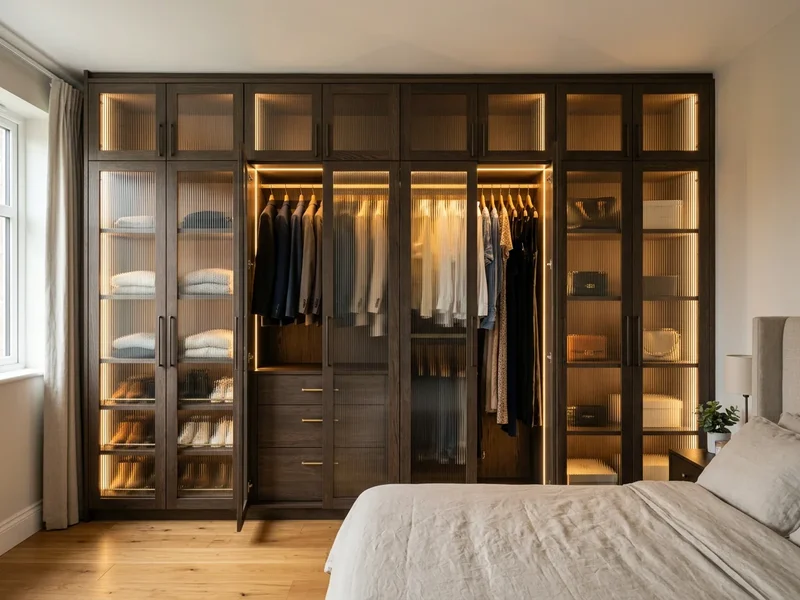
Fitted Wardrobes
Made-to-measure fitted wardrobes built precisely around your room — floor-to-ceiling, wall-to-wall, with the internal layout designed around how you use the space.
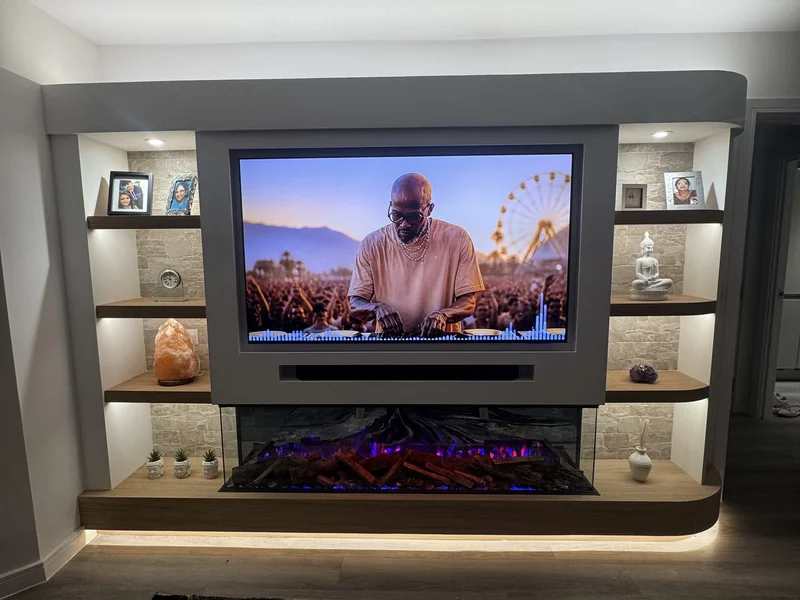
Media Walls
Bespoke media walls with hidden cabling, TV recesses, integrated shelving, and optional electric fireplace — built to fit your room exactly.
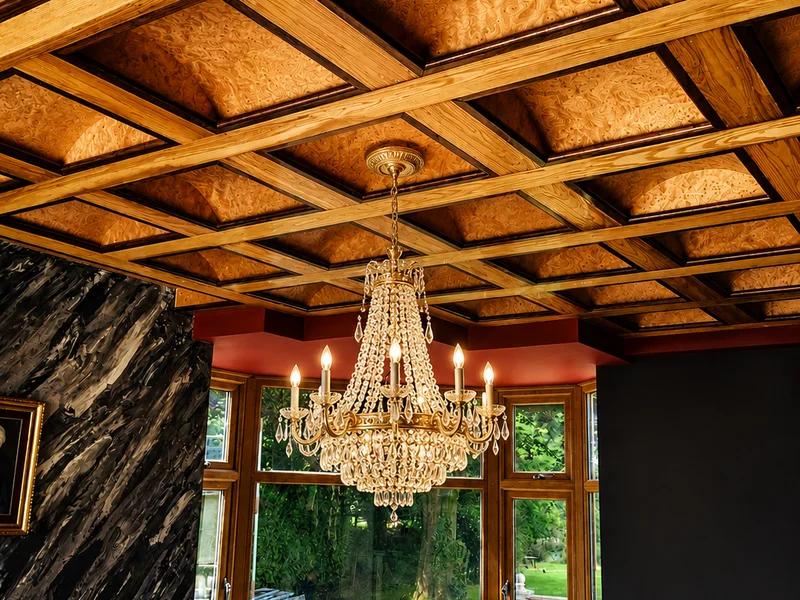
Bespoke Ceilings
Coffered, vaulted, and decorative ceiling designs that transform the character of a room — from drawing rooms to hallways and dining rooms.
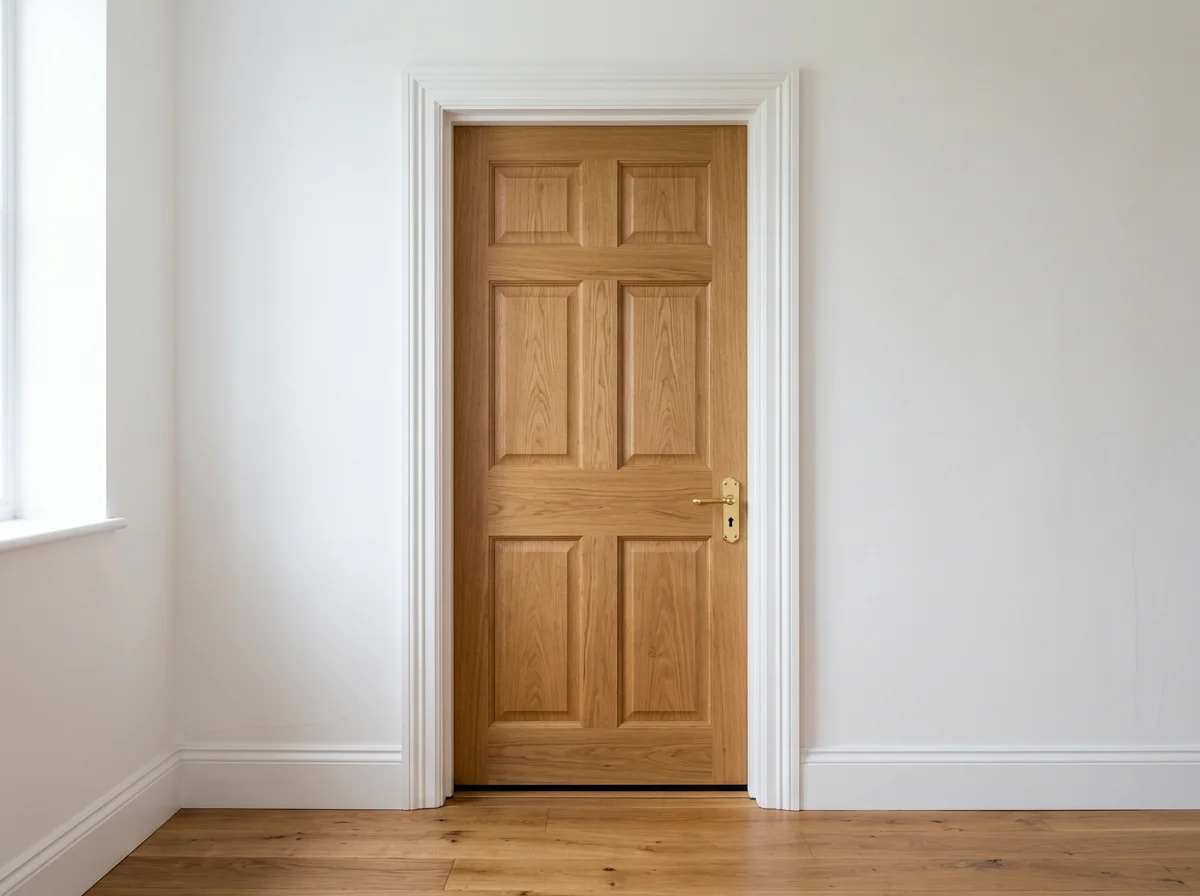
Internal Doors
New internal doors supplied and fitted — solid timber, glazed, or painted MDF — with matching frames, linings, and ironmongery.
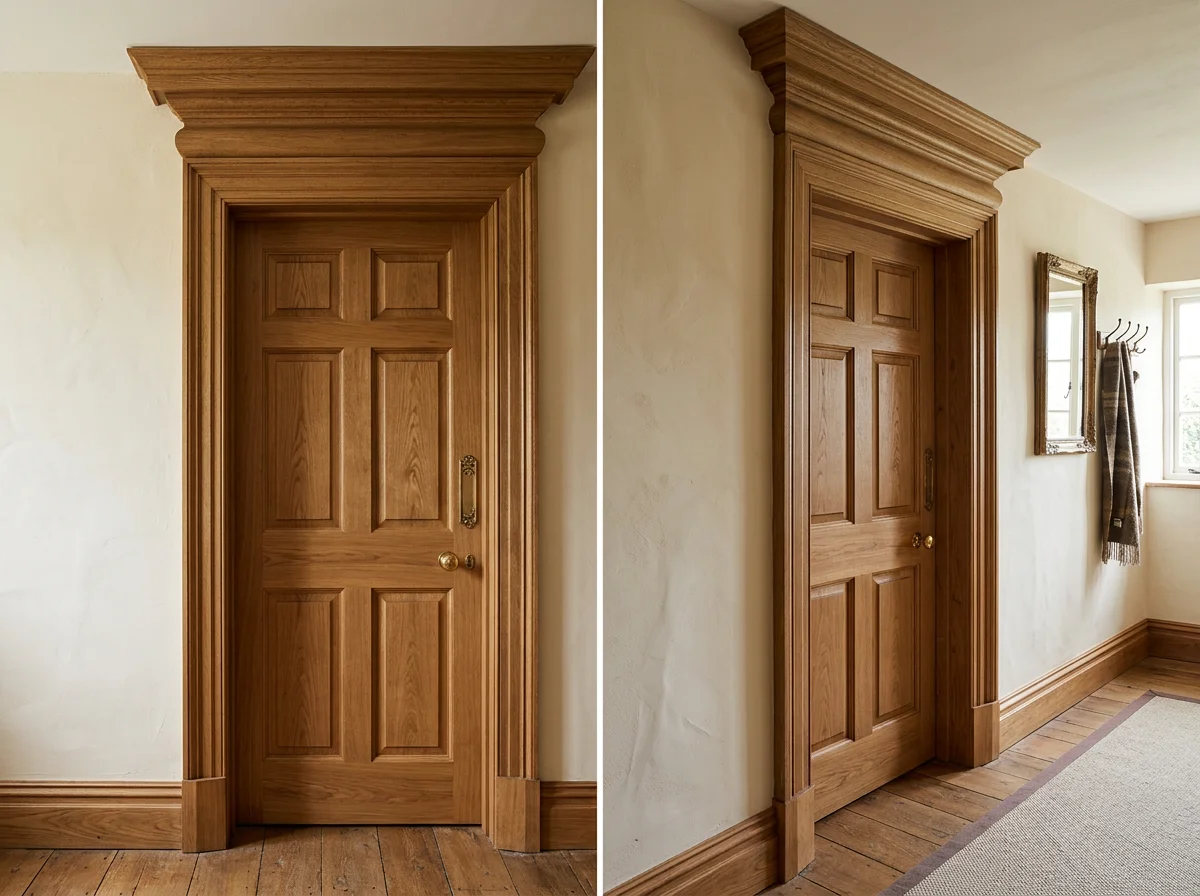
Skirting & Architraves
Deep skirting boards and door architraves supplied and fitted — matched to existing profiles or new designs installed throughout.
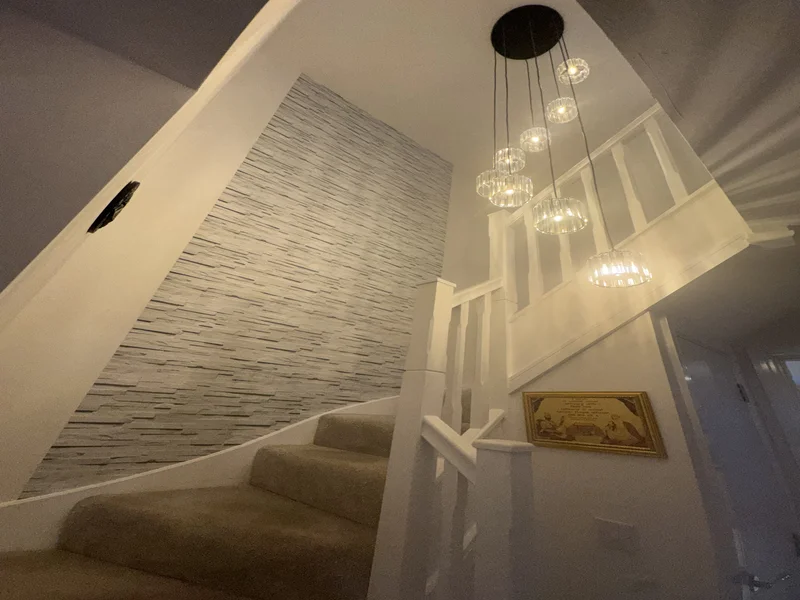
Staircase Upgrades
Staircase transformations — new balusters, handrails, newel posts, and treads — from traditional painted spindles to contemporary glass panels.
Caversham
Working North of the River
Caversham has some of the most attractive Victorian and Edwardian housing in the Reading area — solid brick construction, good ceiling heights, large sash windows, and rooms with genuine proportions. It is also one of the more competitive property markets in the town, with owner-occupiers who invest seriously in their homes and expect the same from the tradespeople they bring in.
We work in Caversham regularly. The most common projects are fitted wardrobes in master bedrooms — these properties often have large bedrooms that can accommodate a wardrobe running the full length of one wall — and alcove units in living rooms and studies. Period joinery in these rooms works best when it matches the scale and character of what is already there, and we bring that understanding to every measuring visit.
We also work in the larger detached properties on the Caversham Heights roads, where the brief tends to be more comprehensive — multiple rooms, higher specification materials, and joinery that needs to sit alongside existing period features or a recently completed interior design scheme. We are comfortable at this level and bring the same care to a larger project as to a single wardrobe installation.
The Suburbs and Estates
From 1930s Semis to New Build Developments
The 1930s semis that make up so much of Tilehurst, Earley, Woodley, and the outer Caversham roads are some of the best houses in Reading for fitted furniture. The chimney breast in each main room leaves a pair of alcoves well suited to cupboards and shelving, the bay windows create natural seats and storage opportunities, and the bedrooms have the awkward chimney-breast recesses where a bespoke wardrobe uses every inch and a flatpack one leaves dead space on both sides.
These houses have usually settled over ninety years, so floors run off level and walls lean — often more than they look. We level every carcass from a datum rather than trusting the floor, scribe face frames and fillers to the actual wall line, and match the skirting profile where units meet existing joinery. That is the difference between furniture that looks built in and furniture that looks pushed in.
In the newer developments — Lower Earley, Woodley, and the estates toward the M4 junctions — the geometry is kinder but the rooms are tighter. Built-in storage earns its keep precisely because there is no floor space to waste on freestanding furniture. Floor-to-ceiling wardrobes, understairs storage, and media walls that combine the television with the storage a smaller living room needs are the regular briefs there.
Materials & Finish
What We Build With in Reading Homes
Most fitted furniture in Reading is painted, and for painted work we build in moisture-resistant MDF — it machines cleanly, takes paint without raising grain, and stays flat through the seasons so doors keep their gaps even. Where a natural timber finish suits the room, we use solid oak or pine, or a good veneered board where wide flat panels are needed at a sensible price. Soft-close hinges and drawer runners are standard, not an upgrade.
Finish is talked through at the measuring visit. A hand-painted finish, brushed in situ, sits naturally in a period room and can be touched up over the years; a sprayed finish gives a flawless furniture-grade surface for contemporary flat doors. Either way we colour-match to a named paint code or to a sample of your existing woodwork, so new joinery does not announce itself against what is already there.
The same care goes into the making good. Where an alcove unit or a door change disturbs the skirting, we match the original profile and height — common Victorian patterns are still produced, and unusual ones can be machined to match a sample — so the room reads as one piece of work, not old and new side by side.
Quoting
Free Measuring Visit, Fixed Written Quote
Every Reading project starts with a free measuring visit — there is no travel charge anywhere in our working area. We look at the room, check the walls for plumb and the floors for level, measure everything that affects the design, and talk through what you want the joinery to do. It usually takes between half an hour and an hour, and nothing needs to be decided on the day.
Within two working days you receive a written quote, itemised task by task, as a fixed price. The price is the price — if the scope changes once work is under way, the change and its cost are agreed in writing before any extra work starts. No surprises on the invoice, no pressure to decide quickly, and no follow-up sales calls.
Our carpenters measure, quote, and fit the work as one team, so nothing gets lost between the survey and the installation. The understanding of your room built up at the measuring visit carries straight through to the finished piece.
Guarantee & Aftercare
Work That Is Guaranteed, Not Just Delivered
Fitted furniture should still be doing its job in ten or twenty years, not just on the day it is fitted, and our workmanship is guaranteed on that basis. If a hinge needs adjusting, a drawer runner needs easing, or a door drops slightly as the house settles around new joinery, we come back and put it right. That is included in the price, not an extra call-out.
Reading's older housing stock moves seasonally more than people expect — Victorian and 1930s solid-wall construction breathes differently through a dry summer and a damp winter, and central heating patterns change how a room dries out. Building with stable moisture-resistant board and sensible expansion allowances means that movement, when it happens, is a minor adjustment rather than a failure of the piece.
If something is genuinely wrong, we sort it without a debate about whose fault it was. It is a simple standard, but it is the reason clients come back for the next room rather than looking elsewhere.
Aftercare is not a call centre and a case number — it is our own team coming back to look at it. If a query comes in eighteen months after a job, whoever answers already has a record of the room, the materials used, and why it was built the way it was. That continuity matters more than a written guarantee on its own, because it means the person putting things right actually understands what they are looking at.
Working in Your Home
Fitting Around a Working Household
Reading is a commuter town, and most of our clients are working around a job, a school run, or both while the work is under way. We plan for that rather than treating the house as an empty shell. Start times, finish times, and which rooms need to stay usable are agreed before anything is booked in, and we stick to what we agree.
Dust is dealt with at source. Sheet material is cut outside or in a garage wherever possible, dust sheets go down before any tool comes out, and doors between the work area and the rest of the house are kept shut. At the end of each day the space is left tidy — you should be able to put the kettle on without picking your way through sawdust.
Access in the tighter Caversham terraces and Oxford Road streets is discussed before the job starts, not worked out on the first morning — where materials come in, whether a permit is needed for the van, and how the work fits around the rest of the street's parking. It very rarely stops a job going ahead; it just needs a plan.
Where a family is around all day — young children, someone working from a home office, a parent recovering from surgery — we adapt further still: shifting noisier cutting to a set window agreed in advance, taking a break over a nap or a video call, and keeping a clear path to the kettle and the bathroom at all times. None of it needs to be asked for twice; once it is agreed at the measuring visit, it is simply how the job runs.
Inside the Wardrobe
What Goes Behind the Doors
A fitted wardrobe is judged by what is inside it, not just how the doors look shut. We plan double hanging for shirts and jackets, full-height hanging for coats and dresses, and drawer stacks sized to what actually needs folding rather than a generic set of equal boxes. In the narrower Caversham terraces this matters even more, because there is rarely space to waste on a layout that does not earn its keep.
Where the room allows it, we add angled shoe shelving, pull-out trays for smaller items, and a section of open shelving for things you want to see rather than hide. A light fitted inside a dark run of hanging space, wired to come on with the door, is a small addition that changes how the wardrobe gets used every single morning.
None of this needs deciding in advance. At the measuring visit we ask what is hard to store at the moment and what never gets worn, and the layout is built around the answers rather than a standard configuration.
Booking & Coverage
Lead Times and the Villages Beyond Reading
How far ahead you need to book depends on the time of year and how busy the diary already is, so we give a realistic start date at the quote stage rather than a fixed promise here. We plan our schedule carefully so the date we give is a genuine one, not an optimistic figure used to win the job.
Beyond the postcodes named elsewhere on this page, we regularly work in Winnersh, Charvil, Sonning, Shinfield, Spencers Wood, Theale, and Calcot without any change to the free measuring visit or the two-day quote turnaround. These are all a short run from central Reading and fold easily into the working week.
If your address is not on any list on this page, get in touch anyway. Coverage comes down to whether the job is practical, not a hard line on a map, and the answer is usually yes.
Questions
Frequently Asked Questions
Do you cover Reading and Caversham?
Yes — Reading and Caversham are within our working area. We cover the main Reading postcodes (RG1, RG2, RG4, RG6) including Caversham, Earley, Tilehurst, Woodley, and the roads out toward Pangbourne and Purley. If you are unsure whether your postcode is within range, give us a call.
What carpentry services are most common in Reading?
Fitted wardrobes are the most requested job across the Reading area — particularly in the Victorian terraces in Caversham, the larger Edwardian semis in Tilehurst and Earley, and the new build developments around Woodley and Lower Earley. Alcove units in living rooms are very popular in the Victorian and Edwardian properties where chimney breast recesses offer ideal space for fitted shelving and cupboards. Media walls are increasingly requested in open-plan properties.
Can you work in the Victorian terraces in Caversham and central Reading?
Yes — Victorian and Edwardian terraces are a significant part of what we do in the Reading area. These properties have character — high ceilings, chimney breasts, solid brick walls — but they also have complications: walls that are not square, floors that are not level, and rooms that are rarely the size the plans say they are. Bespoke joinery handles these complications properly. Standard flatpack furniture in a period terrace always looks like a compromise, because it is.
Do you work in the newer developments around Reading?
Yes — the newer developments in Woodley, Lower Earley, and the roads east of the town centre all fall within our area. New build properties typically have standard room geometry, which makes installation straightforward. The most common brief in these areas is fitted wardrobes in master and secondary bedrooms, and media walls in open-plan kitchen-diner-living spaces.
How do I request a quote for a Reading project?
Fill in our free quote form with a brief description of your project. We will be in touch within one working day and, if it looks like a good fit, arrange a free measuring visit at your property. You receive a clear, itemised, fixed-price quote within two working days of that visit — no obligation to proceed.
How much does a fitted wardrobe cost in Reading?
It depends on the size of the run, the internal layout, and the finish — a painted MDF wardrobe in a standard alcove sits at a very different price point to a full-width sprayed wardrobe with drawer stacks. We do not price from photographs. After the free measuring visit you get a fixed written quote, itemised by task, and that price is the price.
Can you build alcove units around a chimney breast?
Yes — this is one of the most common jobs we do in Reading. The recesses either side of a Victorian chimney breast are rarely the same width or depth, and the walls behind them are rarely flat. We measure both recesses individually, build each unit to suit, and scribe the face frames to the wall so the finished pair reads as symmetrical even where the room is not.
Do you fit out loft conversions and home offices?
Yes. Reading is a commuter town and home offices are a steady part of our work — fitted desks, shelving, and storage built around the room rather than freestanding furniture pushed against a wall. In loft rooms we build storage into the eaves and around sloping ceilings, which is space that off-the-shelf furniture simply cannot use.
Can you match existing Victorian skirting and mouldings?
Usually, yes. Common period profiles like torus and ogee are still available off the shelf, and where a profile is unusual we can have short runs machined to match. When an alcove unit or door change means making good the skirting, we match the profile and height so the new work does not announce itself.
What materials do you use for fitted furniture?
Moisture-resistant MDF for painted work, because it machines cleanly and holds paint well. Veneered board where you want a timber finish at a sensible price, and solid oak or pine where the setting calls for it. Soft-close hinges and drawer runners are standard. Everything is scribed to the wall, not gap-filled.
How far in advance do I need to book?
Lead times vary through the year, so we agree the start date at the quote stage rather than promising a figure here. We keep the diary honest — when we give you a start week, that is the week we start.
Is parking a problem for you in central Reading and Caversham?
It is something we plan for rather than a problem. Many of the terraced streets in Caversham and off the Oxford Road are permit-controlled, so we discuss access and parking at the measuring visit — visitor permits, loading arrangements, and where materials can come in. It has never stopped a job going ahead.
Nearby
Other Areas We Serve
We cover Reading and the surrounding Berkshire towns and villages.
Get a Free Quote for Your Reading Project
Tell us about your project and we'll arrange a free measuring visit. Fixed-price quotes within two working days, no obligation.