Doors & Door Joinery — Repairs
Restoring a Weathered External Door Frame
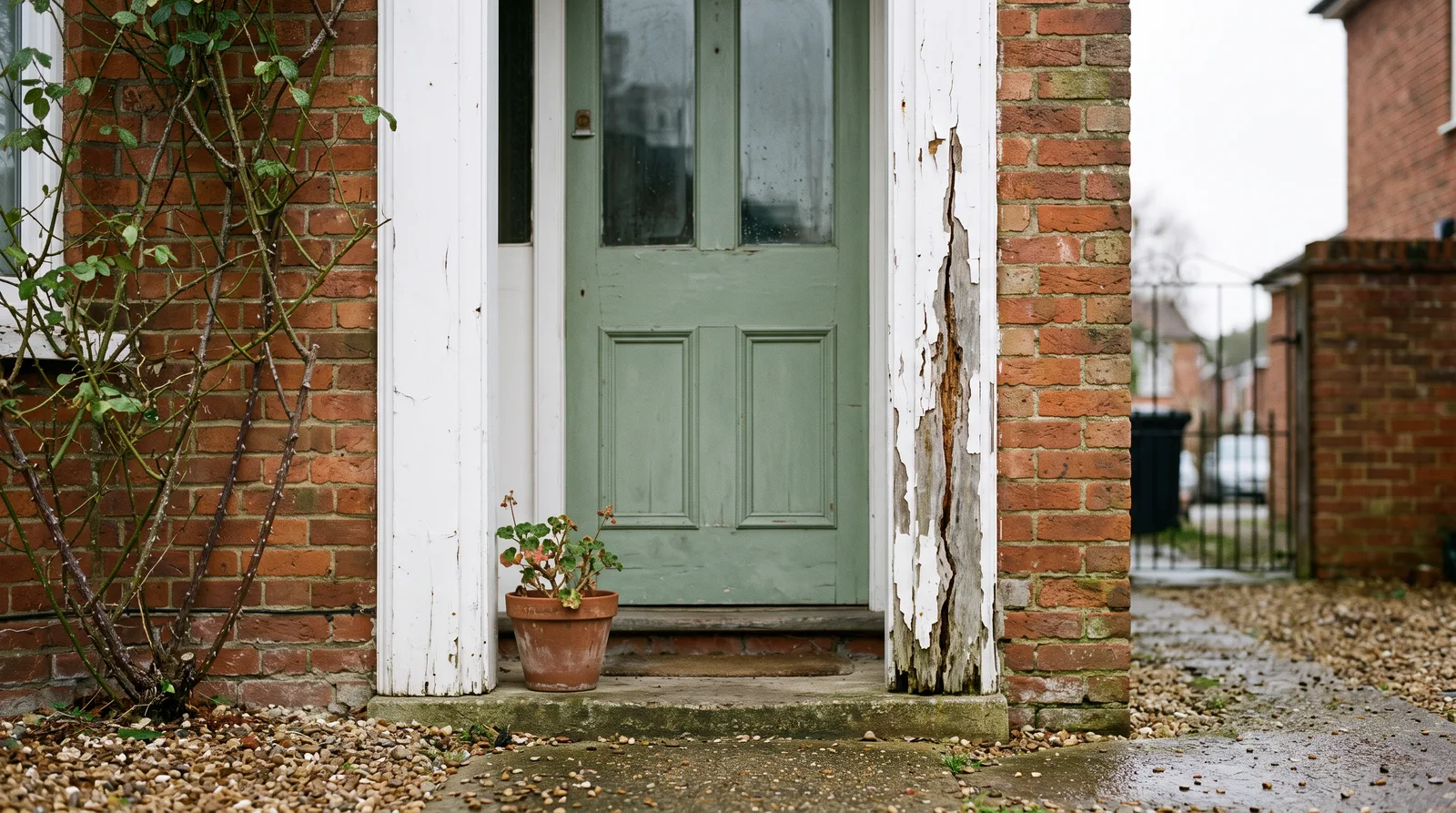
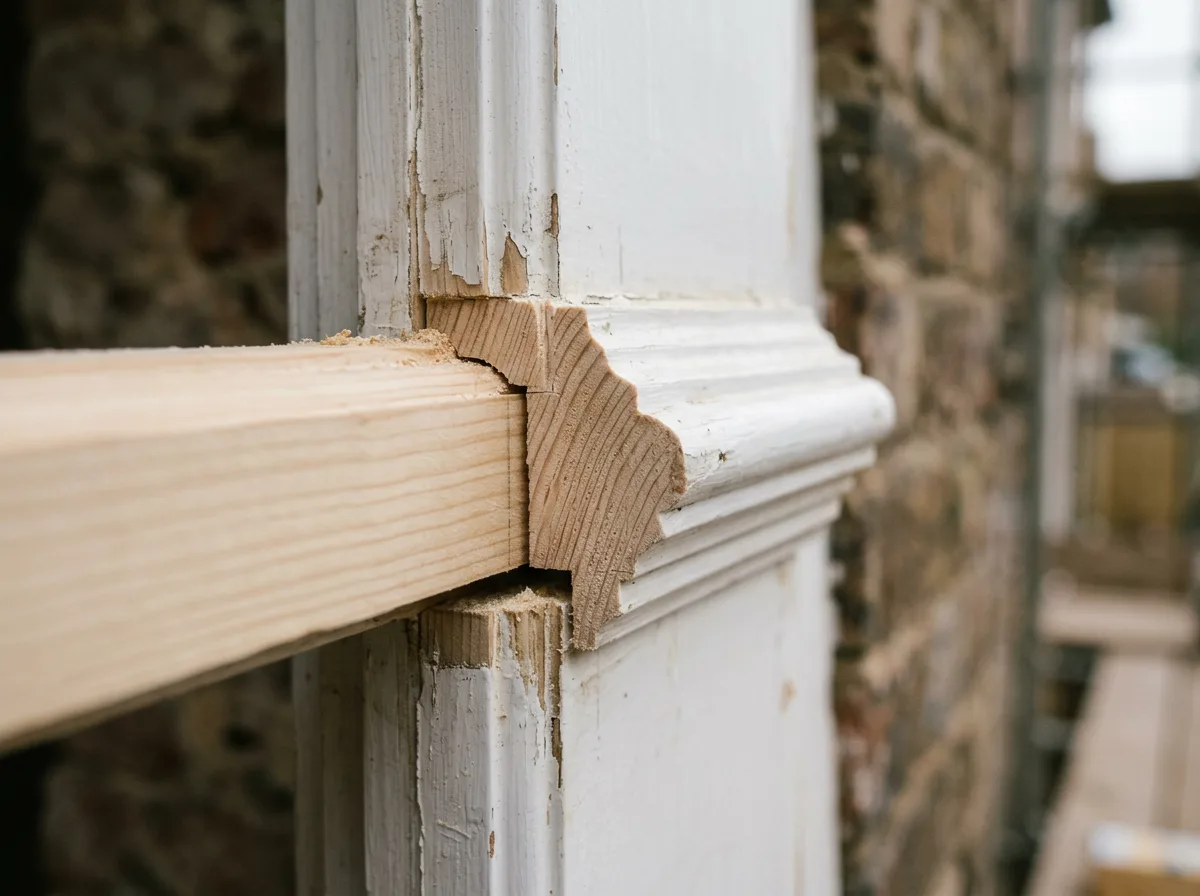
A split, weather-beaten external frame, put right by splicing in new timber to match — the kind of considered repair that saves a frame worth saving.
Local to Berkshire
Experienced Carpenters
32 years in the trade
Fully Insured
High-Quality Finish
The Brief
A Frame Worth Saving, Not Scrapping
This is the kind of door frame repair project we take on regularly across Berkshire: a handsome external frame, years of sun and rain finally catching up with it in the form of a visible split along the outer face, the paint cracked and lifting around it. The instinct many homeowners have is that this means a full replacement — new frame, new door, disturbed brickwork and render. Very often, it does not.
Timber this exposed takes a battering over a decade or two, but the damage is frequently confined to the outer section of the frame, with sound, dry timber sitting just behind it. The elegant solution, where the damage allows it, is to cut out only what has actually failed and splice in new timber to match — a more considered, less disruptive repair than tearing the whole frame out and starting again.
It is also, done well, a largely invisible repair. Matching the timber, the moulding profile and the final paint finish closely enough that the join simply disappears is the real craft in this kind of work, and it is where the time and care genuinely go.
This page illustrates the type and standard of door carpentry work we carry out — not a specific named address or client. Every project is scoped and quoted individually after a free site visit.
The Process
From Visible Split to Weathertight Frame
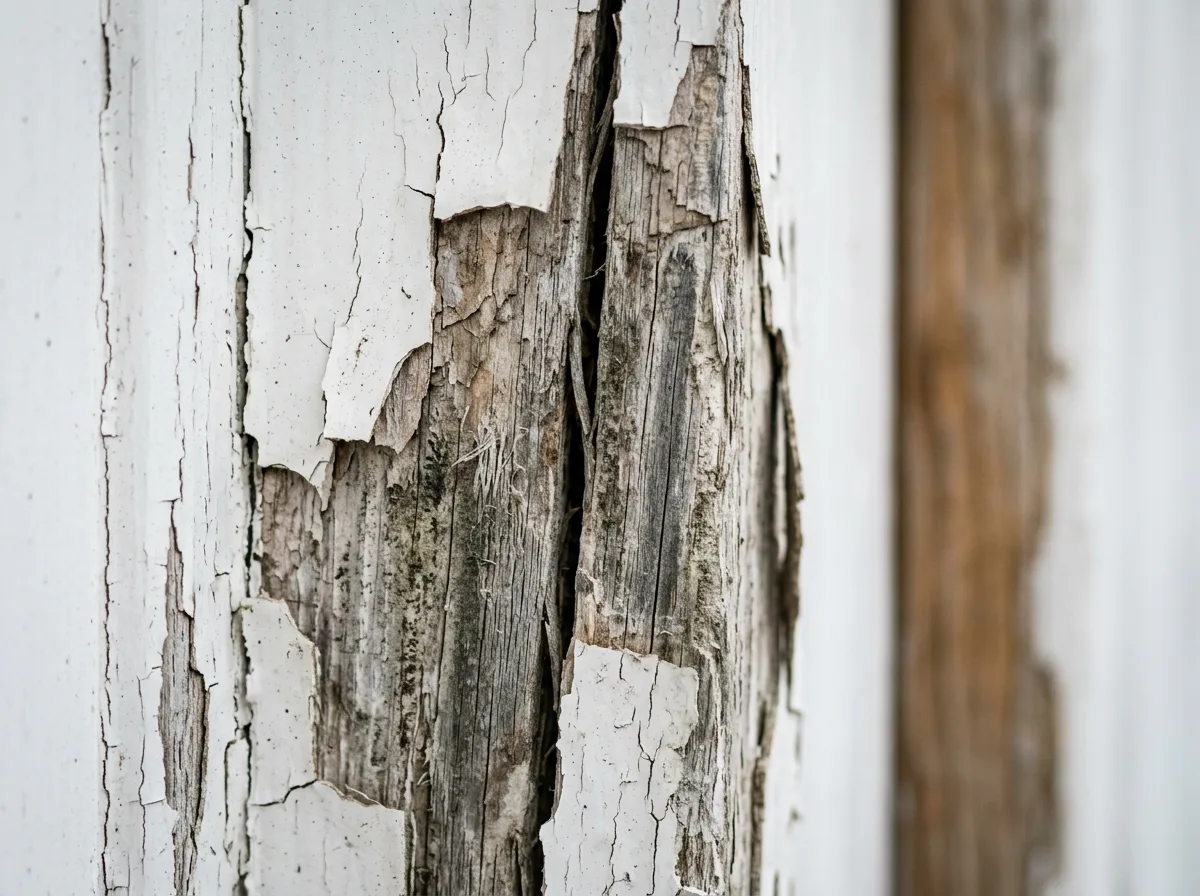
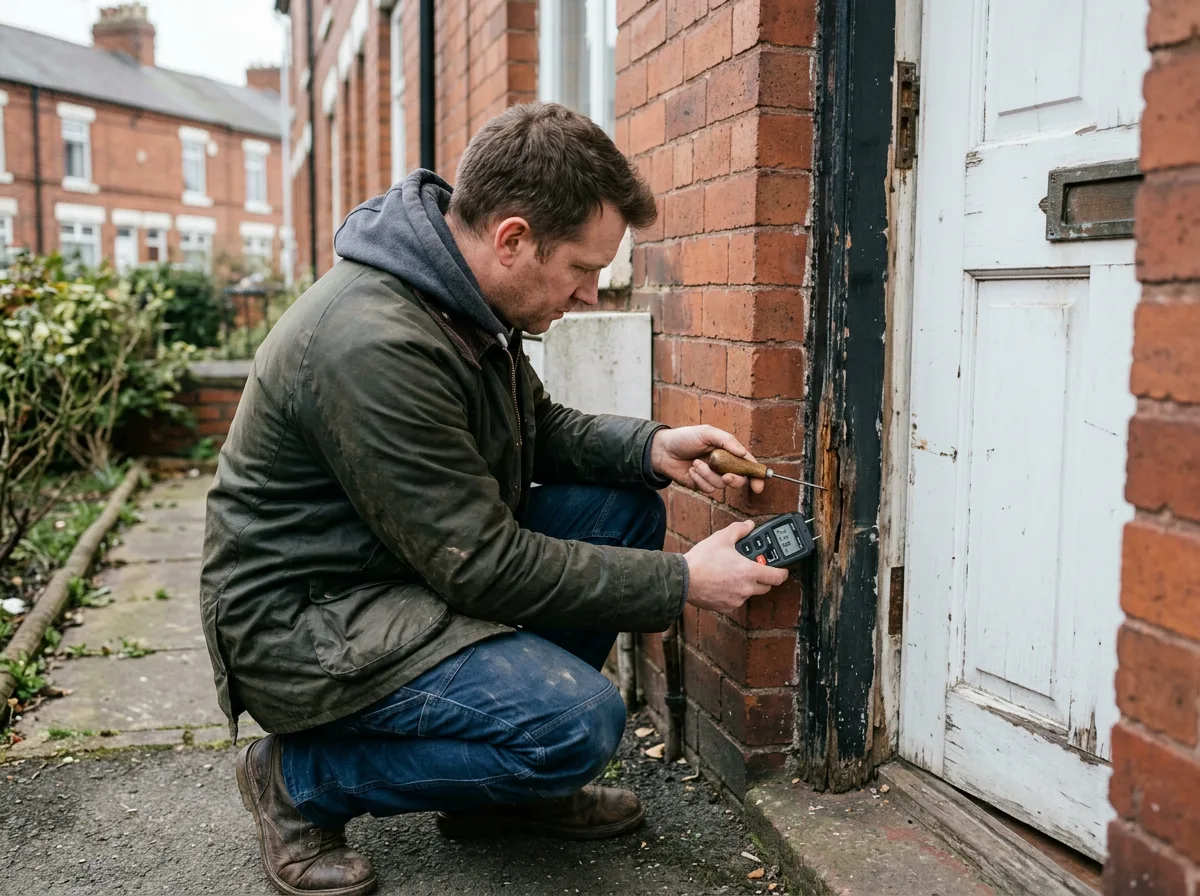
The first job is establishing exactly how far the weather damage runs, rather than assuming. A bradawl pressed into the timber and a moisture meter reading across the frame reveal whether we are dealing with surface splitting and a little decay, or something that has travelled deeper into the section — and that distinction decides the whole approach that follows. Only once that boundary is clear does any timber get cut.
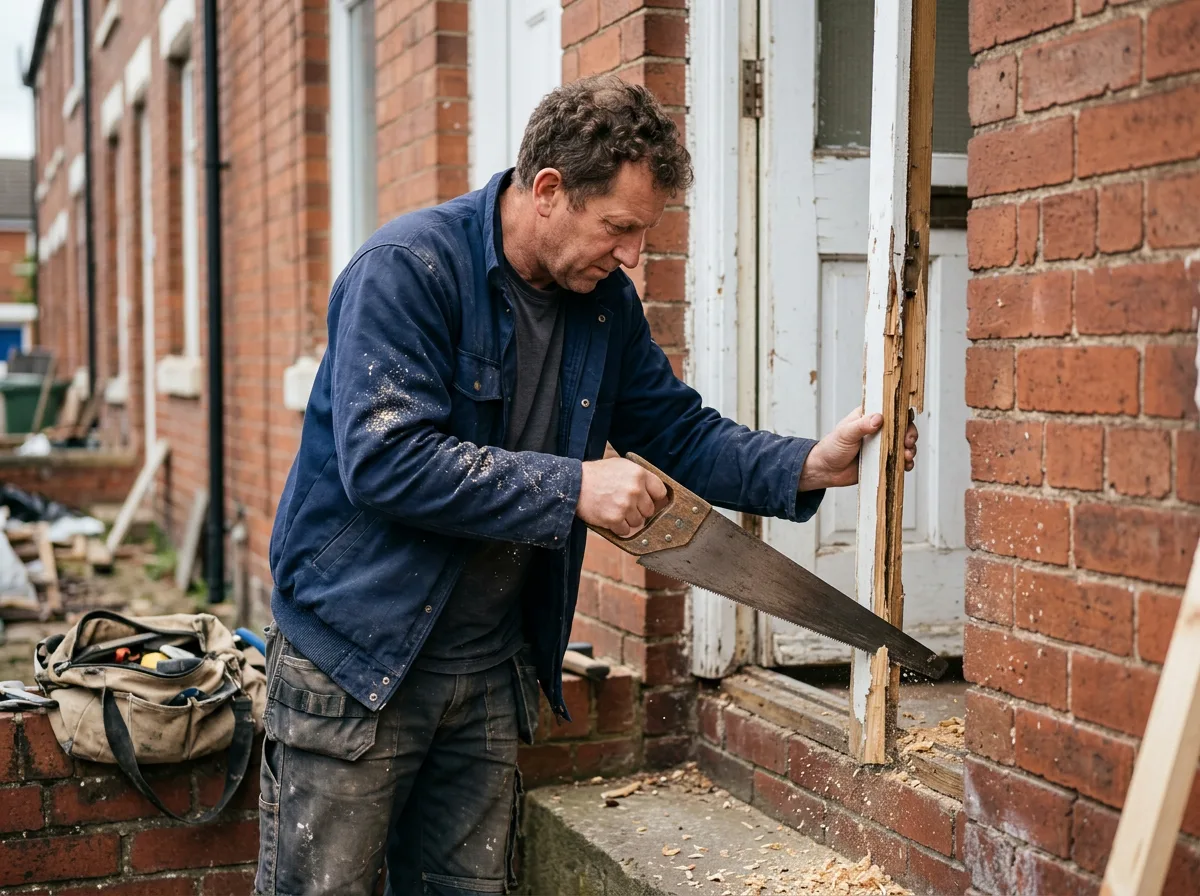
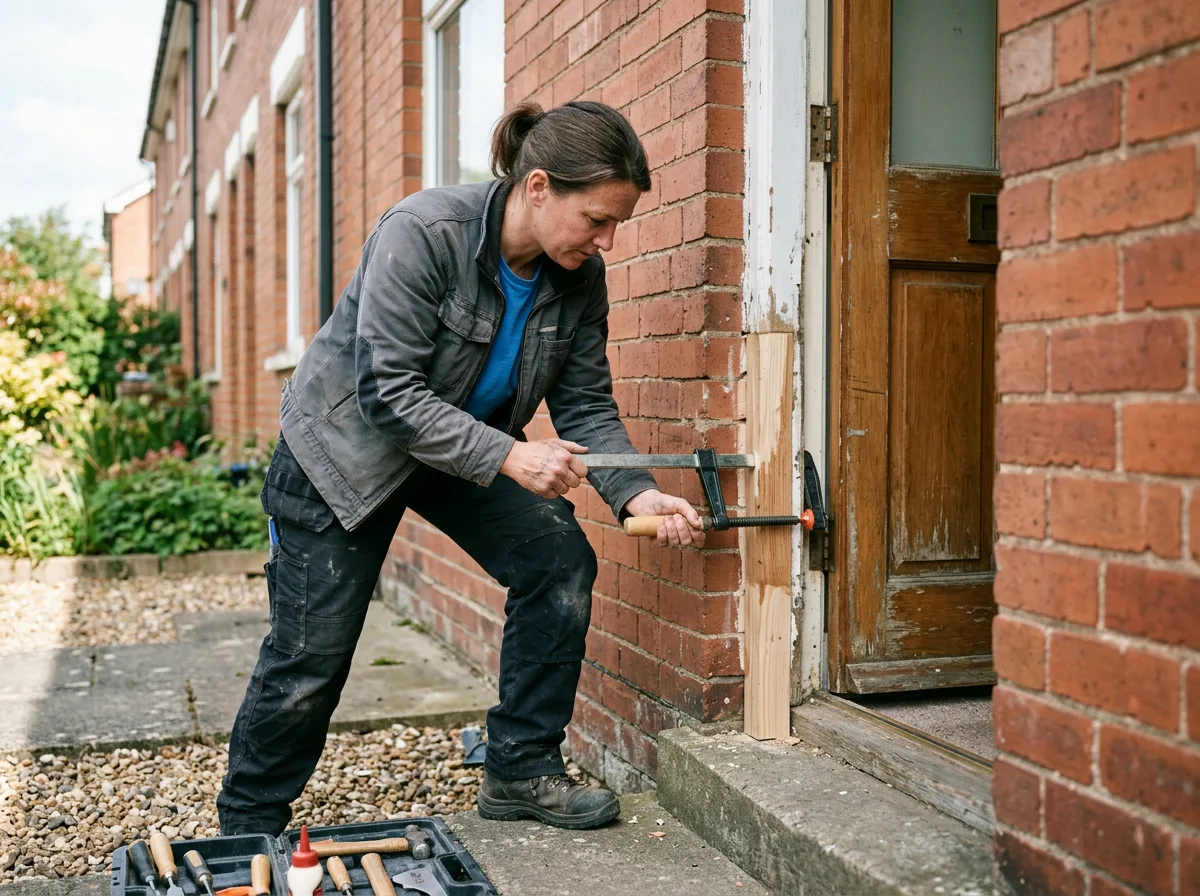
Where the damage allows it, the repair is a splice rather than a replacement: the affected section is cut back cleanly to sound, dry timber, and a new piece — matched for species and shaped to the exact moulding profile of the original frame — is cut, glued and fixed into place. It is more exacting work than fitting a whole new frame, because every line and curve has to meet the existing joinery perfectly, but it keeps the rest of the original frame, and the surrounding brickwork and decoration, entirely undisturbed.
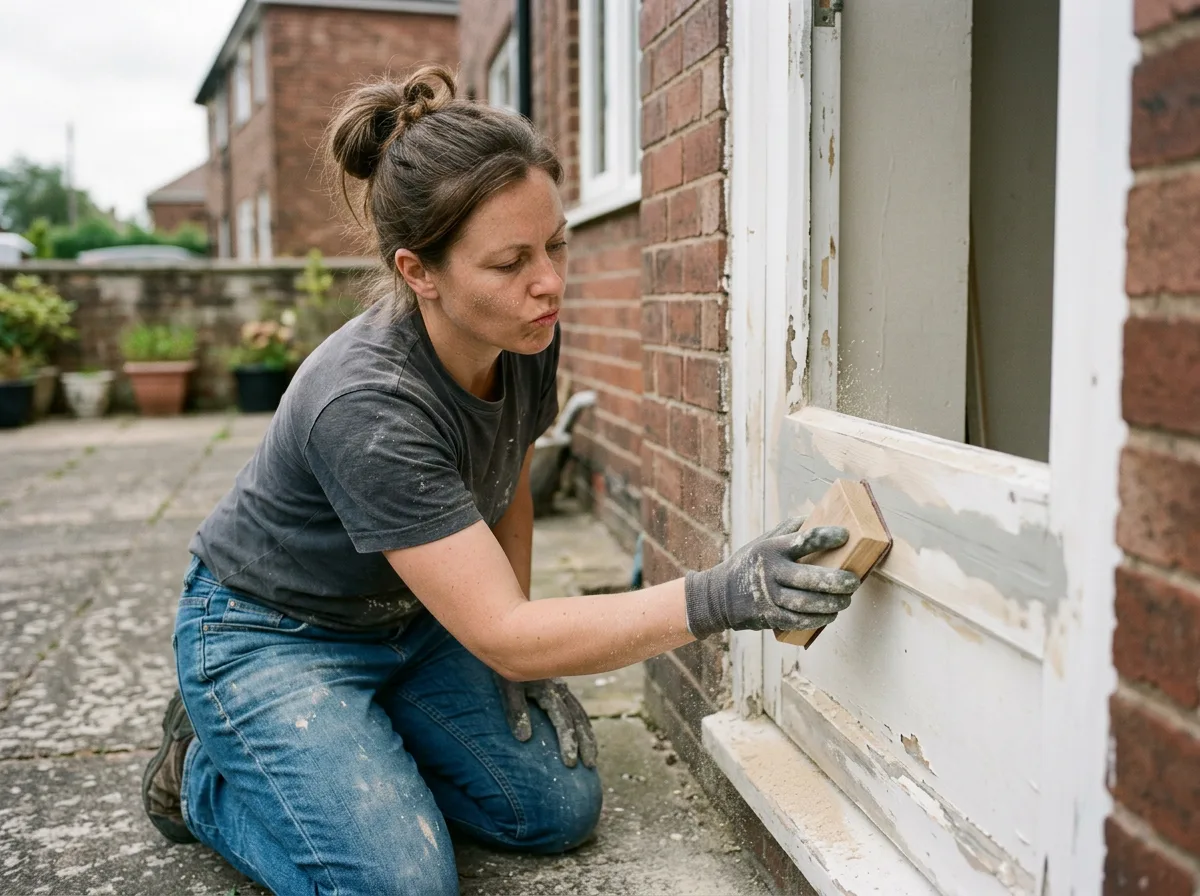
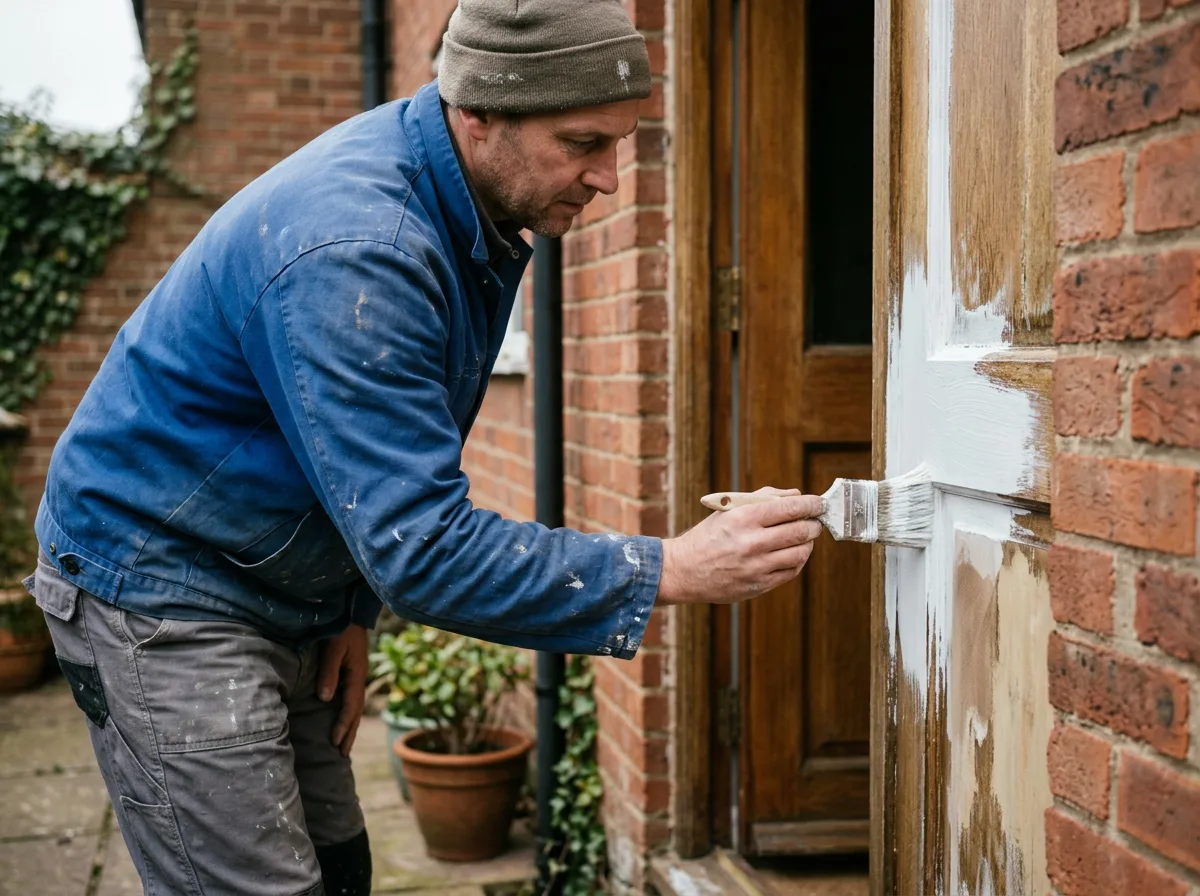
The final stage is what makes the repair disappear: exterior-grade filler worked into the joint line and sanded flush, the bare timber properly primed and treated against future weathering, and finish coats matched to the surrounding paintwork as closely as the existing colour allows. The result is tested for a flush, weathertight fit all round the opening before the job is called complete — a frame that looks, and performs, as though nothing ever happened to it.
The Work, Step By Step
A Closer Look
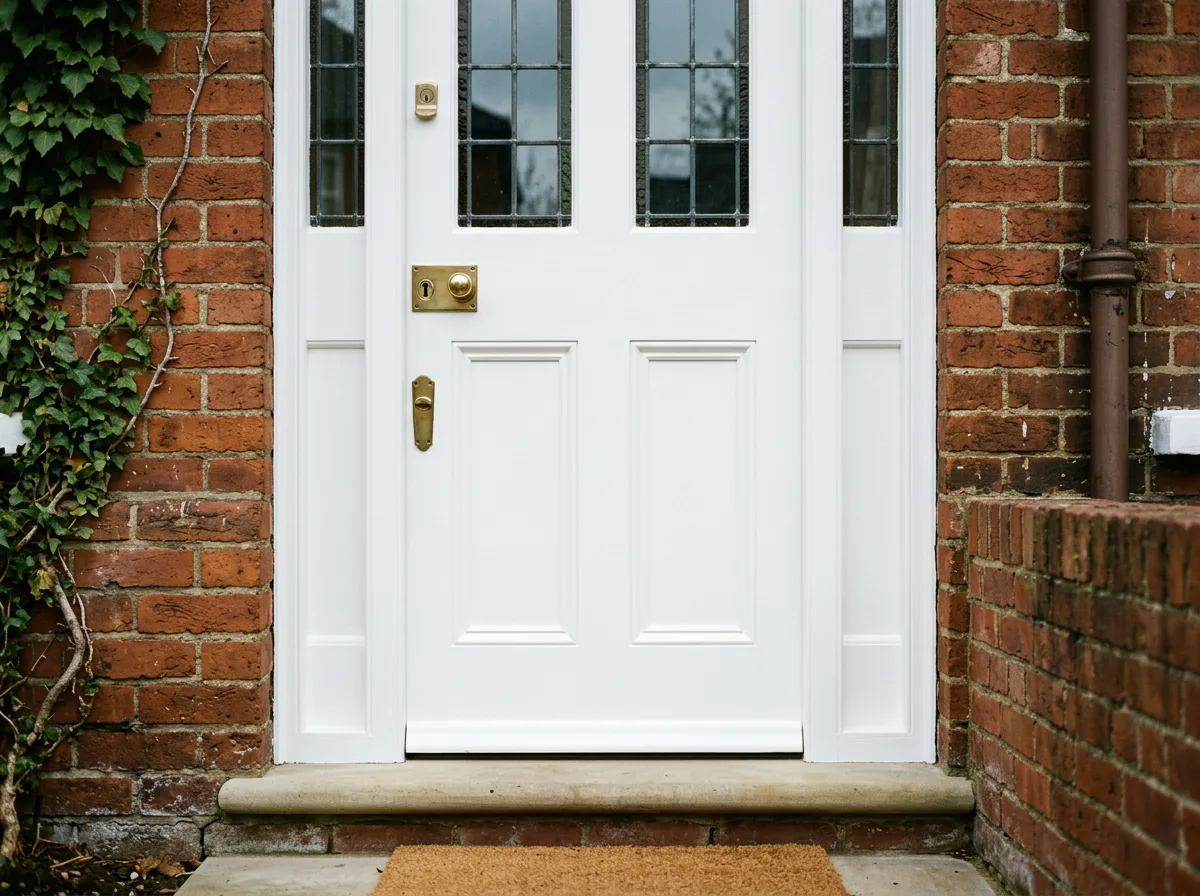
A closer look at the kind of diagnosis, splicing and finishing involved in restoring a weathered door frame.
Specification
Materials & Approach
- Timber species and grade matched to the existing frame wherever the splice makes this possible
- A cut-and-splice repair method, with the new section shaped to the original frame's exact moulding profile
- Exterior-grade, flexible wood filler used at the joint line, selected to move with the timber rather than crack out
- Preservative treatment applied to all newly exposed and spliced timber before finishing
- Finish and paint colour matched to the surrounding frame, rather than a mismatched patch repair
- No shortcuts taken with cosmetic filler alone where the timber itself needs cutting back to a sound section
Common Questions
Door Frame Repair — Frequently Asked Questions
Can a split or weathered door frame actually be repaired, or does it always need replacing?
In the great majority of cases, yes — provided the damage is confined to the outer section of the frame and the core timber behind it is still sound and dry. Splicing in new, matching timber is a well-established joinery repair and is almost always preferable to a full replacement, which disturbs the surrounding brickwork, render and decoration far more than it needs to. A full replacement is only the right call where rot has travelled deep into the frame or the structural fixings themselves have failed.
What actually causes a door frame to split and weather like this?
Years of direct sun, driving rain and temperature swings cause timber to expand and contract repeatedly, and once the paint film cracks and lets moisture in, that movement accelerates into visible splitting. South- and west-facing frames tend to suffer worst, as does any frame where the original paint or sealant has been left too long between repaints. It is a slow, cumulative problem rather than a sudden one.
How do you match the replacement timber to the existing frame?
We select a timber species and grade as close to the original as the frame allows — matching density, grain and how it will take paint or stain — and cut the splice to follow the exact moulding profile of the existing frame. Done properly, the new section sits flush with the original joinery lines, so the eye reads it as one continuous frame rather than a patch.
Will the repaired section be visible once it is finished?
That is always the aim. The splice is shaped to the original profile, filled and sanded flush, then primed and finished to match the surrounding paintwork exactly. Once the final coat has gone on, the repair is deliberately difficult to spot unless you know precisely where to look.
How do you match the existing paint colour on the frame?
Where the existing colour is a known reference — a standard exterior paint shade, for example — we match it directly. Where it has faded or been overpainted over the years, we colour-match from an unweathered section of the frame, such as behind a hinge, to get as close as possible to the original intended shade before the final coats go on.
How long does a spliced timber repair actually last?
Carried out properly — sound, dry timber, a well-formed joint, exterior-grade treatment and a correctly applied paint system — a spliced repair should last every bit as long as the rest of the frame, typically a decade or more before it needs attention again. The honest caveat is that a repair is only as durable as the maintenance that follows it: repainting on a sensible cycle protects the investment.
How long does the whole repair take, start to finish?
A single frame with one area of damage is typically a one-to-two day job, allowing time for the splice to be cut and fitted, the filler to cure properly, and primer and topcoats to go on in the right conditions. Frames with damage in more than one location, or where the surrounding brickwork or sill also needs attention, take a little longer — we confirm a realistic timeframe as part of the written quote.
Do you offer a guarantee on door frame repair work?
Yes — all our repair work is covered by our standard workmanship guarantee, with the details confirmed in writing alongside your quote. If a splice or joint were ever to fail under normal use within the guarantee period, we would come back and put it right.
Related Projects
More Door & Joinery Work
An Elegant Internal Door, Hung to Perfection
An internal door hung true and square, with every hinge and gap set exactly as it should be.
A Precisely Levelled Internal Door Fit
The unglamorous but essential final step — checking and adjusting a hung door until it is perfectly level.
Fitting a Fire Door to FD30 Standard
A fire door fitted exactly to its manufacturer instructions, intumescent strips and all.
Get Started
Request a Free Quote for Your Door Frame
Got a Weathered Frame That Needs the Same Treatment?
A split or weather-damaged door frame can very often be repaired rather than replaced. Get a free quote or arrange a site visit.